



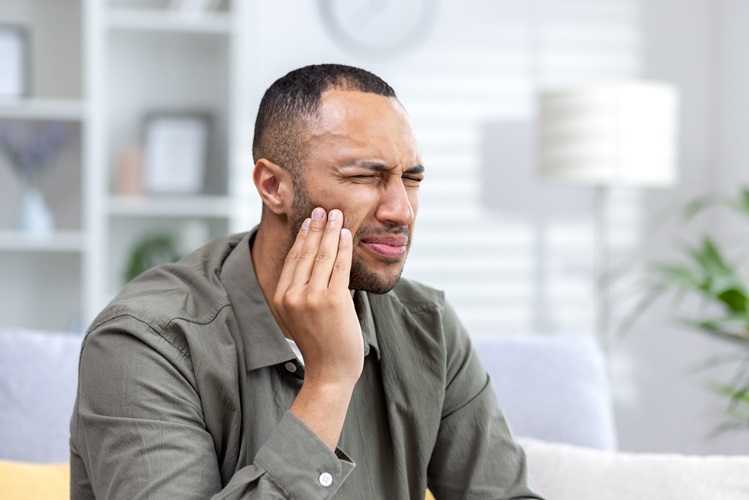
TMJ Therapy for Headaches, Neck Pain, and Earaches
If you’ve ever had frustrating, constant headaches, pain shooting in your neck, or unexplained earaches, then you understand how much these symptoms can affect your life. These problems are often related to an underappreciated condition that is rarely considered: Temporomandibular Joint (TMJ) disorder. The TMJ is a hinge-like joint that connects the jaw to the skull, and when it’s not working properly, it can cause various painful symptoms. Even though many people are convinced their discomfort is due to other causes, TMJ disorder is often the underlying offender.
Although discomfort may be mild or intense, it’s important to know that there are effective treatment options. Residents of Spring Hill can find TMJ relief and reclaim comfort and quality of life. At Northcliffe Dental, Dr. Mohiuddin Ifaz provides comprehensive treatment for TMJ disorder in Spring Hill to alleviate pain and discomfort caused by a misaligned bite and jaw joints.
Understanding TMJ Disorder and Symptoms
TMJ disorder happens when the jaw’s muscles, ligaments, or joints do not work properly, causing pain and stiffness. It is associated with the most common symptoms include persistent headaches, neck pain, and earaches. In some people, it can also lead to clicking or popping in the jaw, difficulty fully opening the mouth, or pain while chewing. It can be difficult to diagnose this condition, as it exhibits symptoms similar to other conditions, but the effects of avoiding treatment can be chronic and far-reaching.
For a lot of people, TMJ disorder is caused by teeth grinding, jaw clenching, stress, or injury. Though it may seem like only an occasional hassle in the moment, over the long term, the consequences can add up to significant stress that hampers daily life. Under Dr. Ifaz’s supervision, TMJ disorder treatment in Spring Hill addresses the underlying challenge, providing a permanent solution to relief.
How TMJ Disorder Treatments Can Help Reduce Pain?
It is important to know the relationship between TMJ disorder and symptoms such as headaches, neck pain, and earaches for better treatment. The jaw muscles are attached to neck and head muscles, so any misalignments in the jaw can create tension and pain in those areas.
- Headaches: Tension headaches are among the most prevalent symptoms of this disorder. As a result, the stress and pressure on your jaw can also cause muscle tightness that radiates to your head, resulting in frequent and debilitating headaches.
- Jaw Pain: The jaw and neck musclesare interrelated. If the jaw is not properly aligned, muscles in the neck and upper back may tense or become tight, leading to discomfort and limited movement.
- Earaches: TMJ problems can also have an impact on the ears. The jaw joint itself can become uncomfortable and create pressure on the ear canal, resulting in pain, a feeling of fullness in the ear, or ringing in the ears (tinnitus).
By treating the TMJ disorder and addressing its underlying cause, both of these painful symptoms can improve significantly without the need for medication, leading to long-term relief and stability.
TMJ Disorder Treatment That Works
A multi-pronged approach to treating TMJ problems is often essential. Dr. Ifaz uses an individualized approach to TMJ disorder treatment tailored to the patient’s specific needs. The first step is an extensiveworkup to identify the root cause of the symptoms. Treatment options are then designed to help restore the jaw joint’s function, reduce pain, and prevent further damage. Common treatment methods include:
- Mouthguards/Splints: These devices are custom-designed mouthpieces that you wear at night and can help prevent teeth grinding or jaw clenching, both common causes of TMJ disorder.
- Physical Therapy: Specific exercises can strengthen and stretch the jaw muscles, decrease pain, and improve mobility.
- Stress Management and Posture: Stress is a common cause of TMJ disorder, and relaxation exercises or posture improvements can help alleviate muscle tension.
- Medications: If required, anti-inflammatory drugs or muscle relaxants may be prescribed to relieve inflammation and pain in the initial stages of treatment.
TMJ disorder is a complex condition, and at Northcliffe Dental, Dr. Ifaz uses both these treatment options to help not only reduce painful symptoms of TMJ but also correct the underlying cause; this results in a personalized, effective plan that meets each patient’s unique needs.
Benefits of TMJ Disorder Treatment
This treatment provides numerous benefits, extending well beyond just pain relief. In fact, many patients find their quality of life improves with treatment, including:
- Less Frequent and Less Intense Headaches: Proper TMJ treatment can reduce headaches, providing patients with pain-free days!
- Enhanced Neck and Jaw Mobility: Patients often get relief from neck and jaw stiffness through chiropractic realignment.
- Improved Sleep Quality: As patients receive treatment for TMJ and wear braces or mouthguards, their symptoms often diminish, along with the stress, resulting in better-quality sleep.
In general, managing TMJ disorder not only alleviates pain auxiliary but also maximizes patients’ functioning quotidian by allowing them to resume their other regular chores while avoiding the chronic discomfort associated with jaw problems.
How to Book an Appointment for TMJ Therapy?
For those who are facing symptoms such as headaches, neck pain, or earaches that may be related to TMJ disorder, the specialists at Northcliffe Dental can help. Dr. Ifaz delivers personalized care and breakthrough treatment solutions to help you regain your quality of life.
Chronic pain treatment or not, TMJ therapy might be something that you should talk to the professionals about. To discuss your TMJ treatment options or request an appointment for a TMJ disorder in Spring Hill, call Northcliffe Dental today.
A Path to Relief and Comfort
TMJ disorder can result in a variety of uncomfortable sensations, including pain that can radiate from your jaw to your head, neck, and ears. If you are suffering from chronic headaches, neck pain, or earaches, it may be time to consider TMJ therapy. All it takes is Dr. Ifaz’s individualized treatment plans to set you on the path to relief and start bringing comfort into your daily life!
Take back your life from TMJ disorder. Call Northcliffe Dental right away and schedule an appointment for a comprehensive evaluation. Here, you will learn more about how TMJ disorder treatment in Spring Hill can help you start feeling better once again.
Questions People Ask About TMJ Disorder Treatment
1. What is TMJ disorder?
TMJ disorder refers to dysfunction in the temporomandibular joint, leading to pain, clicking, or difficulty moving the jaw. It may cause headaches, neck pain, and earaches due to muscle tension and misalignment.
2. What are the common symptoms of TMJ disorder?
Common symptoms include headaches, jaw pain, neck stiffness, earaches, and difficulty opening or closing the mouth. Some people also face clicking or popping in the jaw.
3. How is TMJ disorder treated?
Treatment varies based on the severity of the condition. Common treatments include mouthguards, physical therapy, stress management techniques, and medication. In some cases, surgical intervention may be needed.
4. Can TMJ therapy help with headaches?
Yes, TMJ therapy can help alleviate tension headaches caused by jaw misalignment. Treatment such as mouthguards and physical therapy can reduce muscle tension, which often triggers headaches.
5. Is TMJ disorder permanent?
TMJ disorder is not always permanent. With proper treatment, most patients notice significant relief from symptoms. Early intervention is key to preventing long-term complications and improving overall quality of life.
6. How long does it take to see results from TMJ therapy?
The timeline for relief can vary depending on the severity of the condition. Many patients begin to notice improvements within a few weeks to a few months, but long-term results may take longer to fully develop.