


Dental Implants in Spring Hill, FL
If you’ve been putting off replacing a missing tooth, you’re not alone. Many patients in High Point feel nervous simply because they don’t know what to expect. Understanding your dental implant journey — what happens from start to finish — removes that fear completely. At Northcliffe Dental in Spring Hill, FL, Dr. Mohiuddin Ifaz walks every patient through the process with patience and clarity. This guide will show you exactly what happens at each stage, so you can move forward with total confidence.
Step One: Your Consultation and Treatment Planning in High Point
Every successful implant starts with a thorough consultation. Dr. Ifaz will review your medical and dental history in detail. He will take digital X-rays and a 3D cone beam scan to assess your jawbone density and structure. This imaging tells the team exactly where the implant should be placed for the best outcome.
During this visit, you’ll also discuss your goals openly. Do you want a single tooth replaced? Are multiple teeth missing? Your answers shape the entire treatment plan. Dr. Ifaz will explain every option available to you in plain language. No confusing jargon — just honest, clear information.
This is also the time to ask every question on your mind. No question is too small. The consultation is about building your comfort and trust before a single procedure begins.
What Happens During the Implant Placement Procedure
Once your treatment plan is finalized, the implant placement appointment is scheduled. This is the surgical phase, but it is far more routine than most patients expect. Dr. Ifaz uses local anesthesia to completely numb the area. You should feel pressure during the procedure, but no sharp pain.
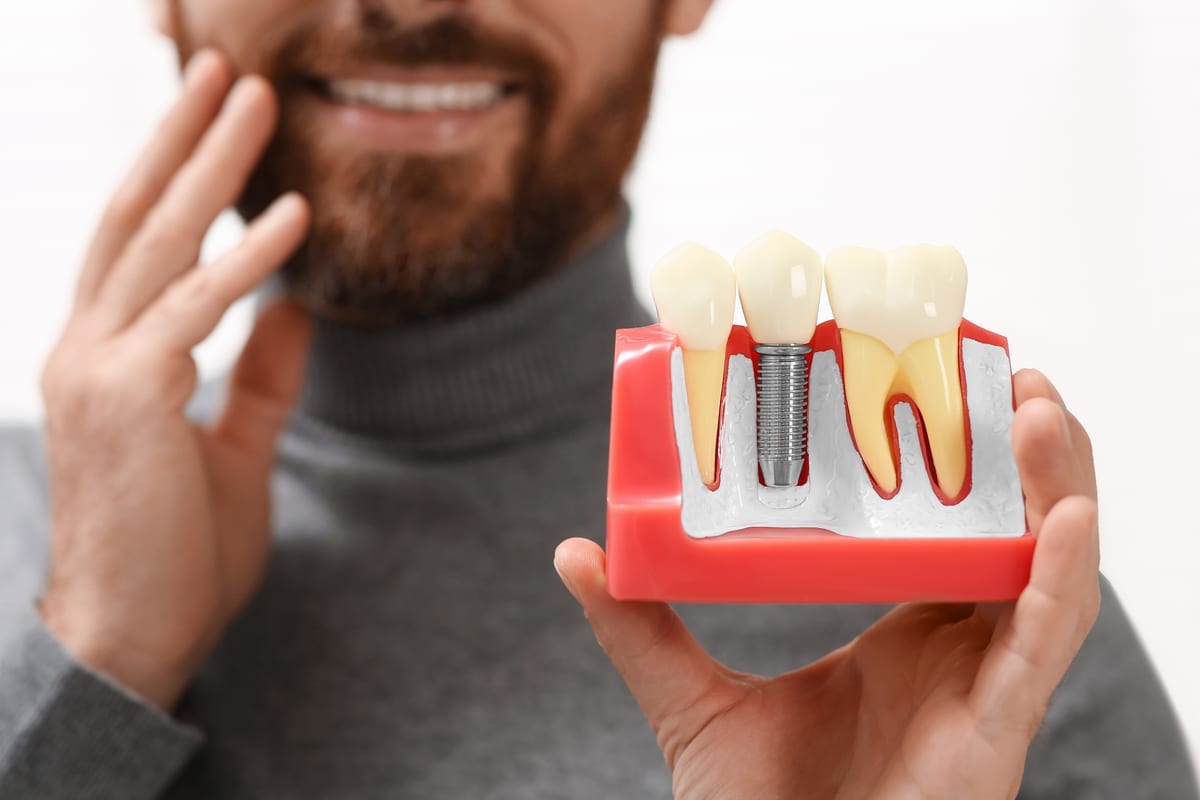
A small incision is made in the gum tissue to expose the jawbone. A precisely sized channel is created in the bone using specialized drill guides. The titanium implant post is then carefully placed into that channel. The gum tissue is stitched closed around the implant site.
The entire placement typically takes between 30 and 90 minutes per implant. Most patients are surprised by how calm and manageable the experience feels. The team monitors you closely throughout the entire appointment.
- Local anesthesia is applied before any incision is made
- The implant post is placed directly into the jawbone
- Stitches close the gum tissue around the site
- The appointment usually lasts one to two hours total
- Sedation options are available for anxious patients
The Healing Phase: Osseointegration and What to Expect
After placement, your body begins an incredible process called osseointegration. This is when the jawbone gradually fuses with the titanium post over several months. This fusion is what makes dental implants so strong and long-lasting. No other tooth replacement option bonds directly to bone the way an implant does.
Healing typically takes three to six months. During this time, you may notice mild swelling and tenderness in the first few days. Over-the-counter pain relievers and cold compresses manage discomfort easily. Most patients return to normal activities within two to three days.
Dr. Ifaz will schedule follow-up visits during this healing window. These checkups confirm the implant is integrating properly. You’ll also receive detailed aftercare instructions to protect the site and speed healing.
- Avoid hard, crunchy, or sticky foods near the implant site
- Brush gently around the area using a soft-bristle brush
- Do not smoke — it significantly slows healing and raises failure risk
- Attend every scheduled follow-up appointment
- Contact the office right away if pain increases after day three
Placing the Abutment and Your Final Crown
Once osseointegration is confirmed, the next stage begins. A small connector piece called an abutment is attached to the top of the implant post. This piece protrudes just above the gumline and supports your final restoration. In many cases, this minor procedure requires only local anesthesia.
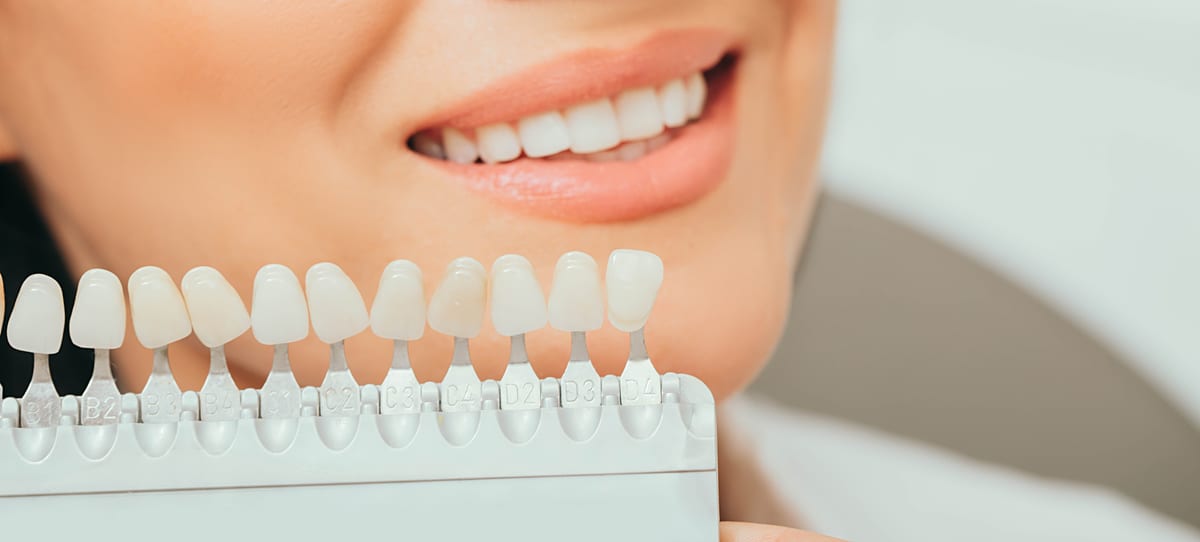
Impressions or digital scans are then taken of your teeth. These measurements guide the creation of your custom crown. The crown is designed to match the shape, size, and shade of your surrounding natural teeth. This attention to detail is part of what makes implants look completely seamless.
When the crown is ready, it is attached securely to the abutment. Dr. Ifaz will check your bite carefully and make any fine adjustments needed. You leave the office with a fully restored, functional tooth that looks entirely natural.
Dental implants fall under both Cosmetic Dentistry and Restorative Dentistry — improving how your smile looks and how it functions at the same time.
Long-Term Care and Why Implants Are Worth It
With proper care, dental implants can last a lifetime. That durability sets them apart from bridges or dentures. The key is maintaining excellent oral hygiene every single day. Brush twice daily, floss around the implant, and attend regular cleanings at Northcliffe Dental.
Unlike natural teeth, the implant post itself cannot develop a cavity. However, the surrounding gum tissue still needs care to prevent peri-implantitis — a form of gum disease around the implant. Routine checkups allow Dr. Ifaz to catch any early warning signs quickly. Healthy gums mean a healthy implant for decades to come.
Patients in High Point who complete their dental implant journey consistently describe it as life-changing. Eating, speaking, and smiling all feel natural again. The initial investment in time and healing pays off with results that last for years.
Frequently Asked Questions
How long does the entire dental implant process take from start to finish?
The full process typically takes six to twelve months from the initial consultation to the placement of your final crown. Most of that time is the healing and osseointegration phase. The actual surgical appointments are relatively short. Your timeline will depend on your jawbone health and how quickly you heal.
Is the dental implant procedure painful?
Most patients report feeling pressure rather than pain during the procedure itself. Local anesthesia keeps the area completely numb throughout placement. Mild soreness in the days following surgery is normal and manageable with standard pain relievers. Sedation options are also available for patients who experience dental anxiety.
Am I a good candidate for dental implants in High Point?
Most healthy adults with sufficient jawbone density are strong candidates for implants. Dr. Ifaz will evaluate your bone volume, gum health, and overall medical history during your consultation. Patients who smoke or have uncontrolled diabetes may need additional evaluation. A thorough assessment helps determine the safest and most effective path forward for your specific situation.
What happens if I don’t have enough bone for an implant?
If your jawbone has experienced some loss, a bone grafting procedure may be recommended first. This involves adding bone material to build up the area before implant placement. Grafting adds time to the overall process but makes implant success possible for many patients who were initially told they weren’t candidates. Dr. Ifaz will discuss all options clearly during your consultation.
How do I care for my dental implant after the crown is placed?
Care for your implant just as you would a natural tooth. Brush twice daily with a soft-bristle toothbrush and floss carefully around the implant base. Avoid biting down on ice or extremely hard foods. Schedule routine cleanings and exams at Northcliffe Dental every six months to keep the surrounding tissue healthy.
You deserve a complete, confident smile — and the journey to get there is more manageable than you might think. Dr. Mohiuddin Ifaz and the team at Northcliffe Dental in Spring Hill, FL are here to guide you through every step with care and expertise. Book Now to schedule your appointment with our team.