


Dental Implants vs Dentures vs Bridges
If you’re missing one or more teeth, you’ve likely wondered about your options. Understanding Dental Implants vs. Dentures vs. Bridges: Which Lasts Longest in High Point is one of the most important questions you can ask. Each solution works differently, costs differently, and lasts a different length of time. At Northcliffe Dental – Spring Hill, Dr. Mohiuddin Ifaz helps patients make confident, informed decisions about tooth replacement.
Understanding the Three Main Tooth Replacement Options
Before comparing lifespans, it helps to understand what each option actually is. All three fall under the category of Restorative Dentistry, which focuses on rebuilding your smile’s function and structure. Each approach has unique advantages depending on your oral health, bone density, and budget priorities.
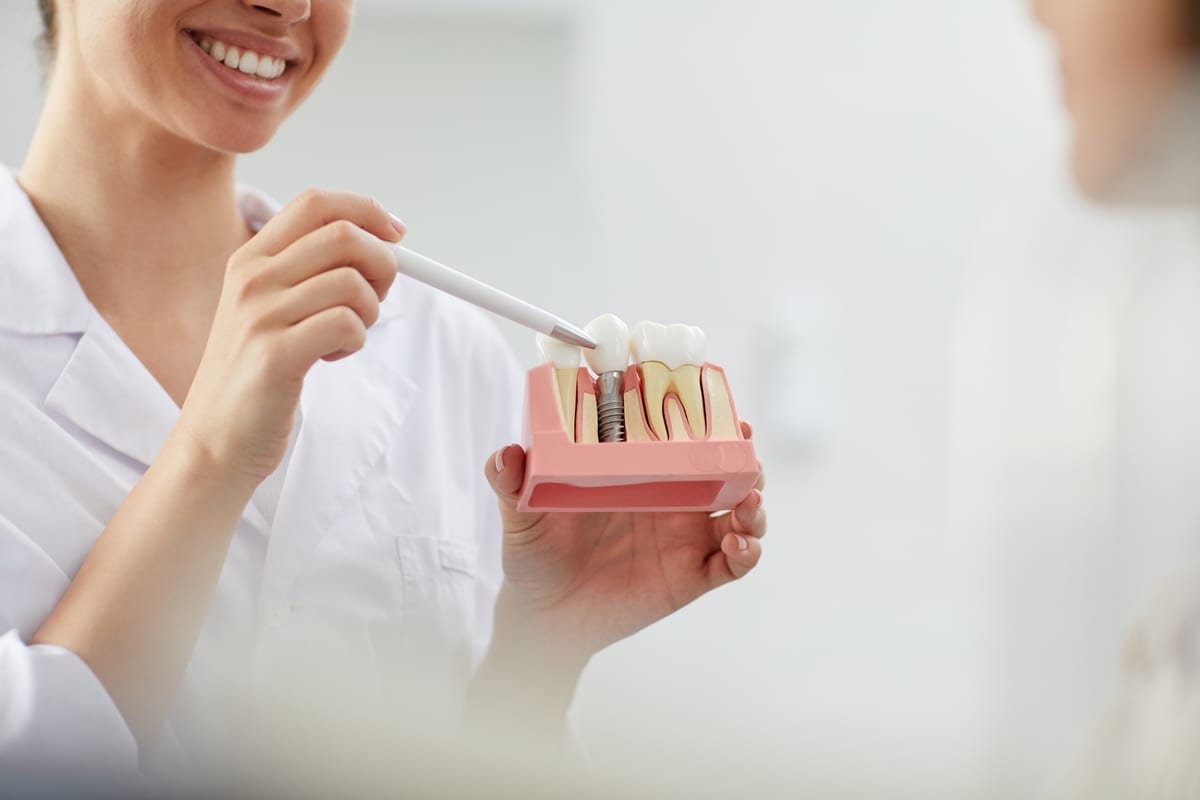
Dental implants are titanium posts surgically placed into your jawbone. They act as artificial tooth roots and support a crown on top. They look, feel, and function very much like natural teeth.
Dentures are removable appliances that replace multiple or all missing teeth. They rest on your gums and may require adhesive for stability. They’re typically the most affordable upfront option.
Dental bridges are fixed prosthetics anchored to adjacent natural teeth. They literally bridge the gap left by a missing tooth. Bridges don’t require surgery, but they do require reshaping healthy neighboring teeth.
Which Option Lasts Longest? A Direct Comparison for High Point Patients
When patients in High Point ask about longevity, the answer is clear. Dental implants consistently outlast both dentures and bridges when properly maintained. Here’s a breakdown of average lifespans for each option:
- Dental Implants: 25 years to a lifetime with proper care
- Dental Bridges: 10 to 15 years on average before replacement is needed
- Dentures: 5 to 10 years before refitting or replacement is required
Implants fuse with your jawbone through a process called osseointegration. This creates a permanent, stable foundation that doesn’t slip or wear down. No other replacement option offers that level of biological integration.
Bridges can fail earlier if the anchor teeth develop decay or gum disease. Dentures lose their fit over time as the jawbone naturally shrinks without tooth roots. Both require ongoing maintenance and eventual replacement costs.
Factors That Influence Which Option Is Right for You
Longevity alone doesn’t determine the best choice for every patient. Your personal health history, bone structure, and individual goals all play a role. Dr. Mohiuddin Ifaz evaluates each patient individually to recommend the most suitable path forward.
Consider the following factors when making your decision:
- Bone density: Implants require sufficient jawbone volume for placement
- Number of missing teeth: Dentures work best for multiple or full arch replacements
- Adjacent tooth health: Bridges rely on neighboring teeth being strong and cavity-free
- Overall health: Certain conditions may affect healing after implant surgery
- Long-term cost preference: Implants cost more upfront but less over decades
For patients who want a smile transformation alongside replacement, Cosmetic Dentistry options like veneers or whitening can complement any tooth replacement plan. Your smile’s appearance matters just as much as its function. A combined approach often delivers the most satisfying long-term results.
Why Dental Implants Often Win the Longevity Battle
Implants don’t just replace teeth — they preserve your jawbone. When a tooth root is lost, the surrounding bone begins to deteriorate. Implants stimulate the bone just like natural roots do, preventing that loss entirely.
This bone preservation matters for your facial structure over time. Patients with dentures often develop a sunken facial appearance after years of bone loss. Implants help maintain the natural contours of your jaw and face for decades.
Bridges, while effective and durable, require grinding down two healthy adjacent teeth. This permanent alteration can weaken those teeth over time. Implants stand alone without involving neighboring teeth at all.
Maintenance is also simpler with implants. You brush and floss them just like natural teeth. Dentures must be removed, soaked, and cleaned separately every day.
What to Expect During the Dental Implant Process at Northcliffe Dental
Many patients worry that implants involve a long, complicated process. In reality, each stage is manageable and well worth the outcome. Here’s what the general timeline looks like:
- Consultation and imaging: Dr. Ifaz assesses bone density and takes X-rays or 3D scans
- Implant placement: The titanium post is surgically inserted into the jawbone
- Healing period: Osseointegration takes place over several weeks to months
- Abutment placement: A connector piece is attached to the implant post
- Crown attachment: A custom-made crown is secured to complete your new tooth
Not every patient is a candidate for implants on the first visit. Some may need a bone graft before placement if bone loss has already occurred. Dr. Ifaz will walk you through every option at your consultation with full transparency.
Making the Right Decision for Your Smile in High Point
There is no single best answer for every patient. The right choice depends on your unique oral health, goals, and timeline. What matters most is getting accurate information before you decide.
For long-term durability, implants are the clear leader. For affordability and speed, bridges or dentures may work better in the short term. A conversation with Dr. Mohiuddin Ifaz at Northcliffe Dental – Spring Hill will help you weigh those tradeoffs honestly.
Patients throughout High Point and Spring Hill, FL trust our team for honest guidance. We never push a single solution without understanding your full situation. Your comfort and confidence in the decision always come first.
Ready to explore which option fits your life? Book Now to schedule your appointment with our team.
Frequently Asked Questions
How long do dental implants actually last compared to bridges?
Dental implants can last 25 years or even a lifetime with proper care and regular checkups. Dental bridges typically last 10 to 15 years before they need replacement. The implant’s titanium post fuses with the jawbone, which gives it exceptional long-term stability that bridges cannot match.
Are dentures a good long-term solution for missing teeth?
Dentures are effective and affordable, but they are not the most durable long-term option. They usually require replacement or refitting every 5 to 10 years as the jawbone changes shape. Without tooth roots to stimulate the bone, patients often experience gradual bone loss over time.
Can I get dental implants if I’ve already had bone loss?
Many patients with bone loss are still candidates for implants after a bone graft procedure. Dr. Mohiuddin Ifaz will assess your bone density through imaging during your consultation. A bone graft rebuilds the necessary foundation so the implant can integrate successfully.
Is the dental implant process painful?
Most patients report that implant placement is far less uncomfortable than they expected. Local anesthesia is used during the procedure to minimize discomfort. Any soreness after surgery typically resolves within a few days and is manageable with standard pain relief.
Which tooth replacement option is best for multiple missing teeth?
The best option depends on how many teeth are missing and where they’re located. Implants can support individual crowns or anchor implant-supported dentures for full arches. Dr. Ifaz will help you determine the most functional and cost-effective solution during your personalized consultation.