


Teeth Whitening in Spring Hill, FL
Teeth whitening is one of the most popular smile upgrades available today. But will teeth whitening actually work for you in Timber Pines? That depends on several important factors. Not every type of stain responds to whitening — and not every smile is a good candidate. Understanding these differences can save you time, money, and disappointment.
At Northcliffe Dental in Spring Hill, Dr. Mohiuddin Ifaz helps patients self-screen before choosing any whitening treatment. This article walks you through the key candidacy factors. By the end, you will have a much clearer picture of what to expect.
Who Gets the Best Teeth Whitening Results in Timber Pines
Not all stained teeth respond equally to whitening. The best candidates share a few common traits. Understanding these traits helps you set realistic expectations before starting any treatment.
Ideal whitening candidates typically have:
- Yellow or light brown surface stains from coffee, tea, or wine
- Staining caused by tobacco use over time
- Natural teeth without crowns, veneers, or bonding on front surfaces
- Generally healthy gums and no active tooth decay
- Mild-to-moderate discoloration rather than deep or structural staining
If your stains fall into these categories, professional whitening can produce dramatic results. Most patients in this group see several shades of improvement. Dr. Ifaz can confirm your candidacy during a simple in-office consultation.
When Teeth Whitening Will Not Work — Key Exceptions to Know
Many patients are surprised to learn whitening has real limitations. Certain situations simply do not respond to bleaching agents. Knowing these exceptions upfront is genuinely helpful.
Crowns and Veneers: Dental restorations do not whiten. Whitening gel only affects natural tooth enamel. If your front teeth have crowns or veneers, the gel will not change their color. You could end up with mismatched shades between natural teeth and restorations. Restorative Dentistry options like new crowns may be a better path in this case.
Intrinsic Stains: These stains exist inside the tooth structure itself. They are not surface-level discoloration. Bleaching agents cannot penetrate deep enough to remove them effectively.
Medication-Induced Staining: Tetracycline antibiotics taken during childhood can cause deep gray or brown banding. This type of staining is notoriously resistant to whitening. Even professional-grade treatments often produce minimal improvement here.
Fluorosis: Excess fluoride during tooth development can create white spots or brown patches. These respond inconsistently to standard whitening treatments. In some cases, whitening can actually make fluorosis spots look more visible.
Understanding Intrinsic vs. Extrinsic Stains Before You Whiten
This distinction matters more than most people realize. Extrinsic stains sit on the outer surface of enamel. They come from food, drinks, and habits like smoking. These respond well to whitening products because bleaching agents can reach them easily.
Intrinsic stains are embedded within the dentin layer beneath enamel. They form during tooth development or after trauma. Once these stains exist, external bleaching has little effect on them.
Here is a quick way to think about it:
- Extrinsic stains — on the surface, caused by lifestyle factors, good whitening candidates
- Intrinsic stains — inside the tooth, caused by development or trauma, poor whitening candidates
- Mixed staining — both types present, partial results possible with professional treatment
A professional examination can identify your stain type quickly. Dr. Ifaz uses this assessment to guide each patient toward the right solution. Guessing without an exam often leads to wasted effort and frustration.
For patients with intrinsic staining or significant restoration work, Cosmetic Dentistry alternatives like porcelain veneers often deliver far better results. These solutions cover staining rather than trying to bleach through it.
What to Expect From Professional Whitening vs. Over-the-Counter Products
Many Timber Pines residents try store-bought whitening products first. These can work for mild surface staining. However, they use much lower concentrations of bleaching agents than professional treatments.
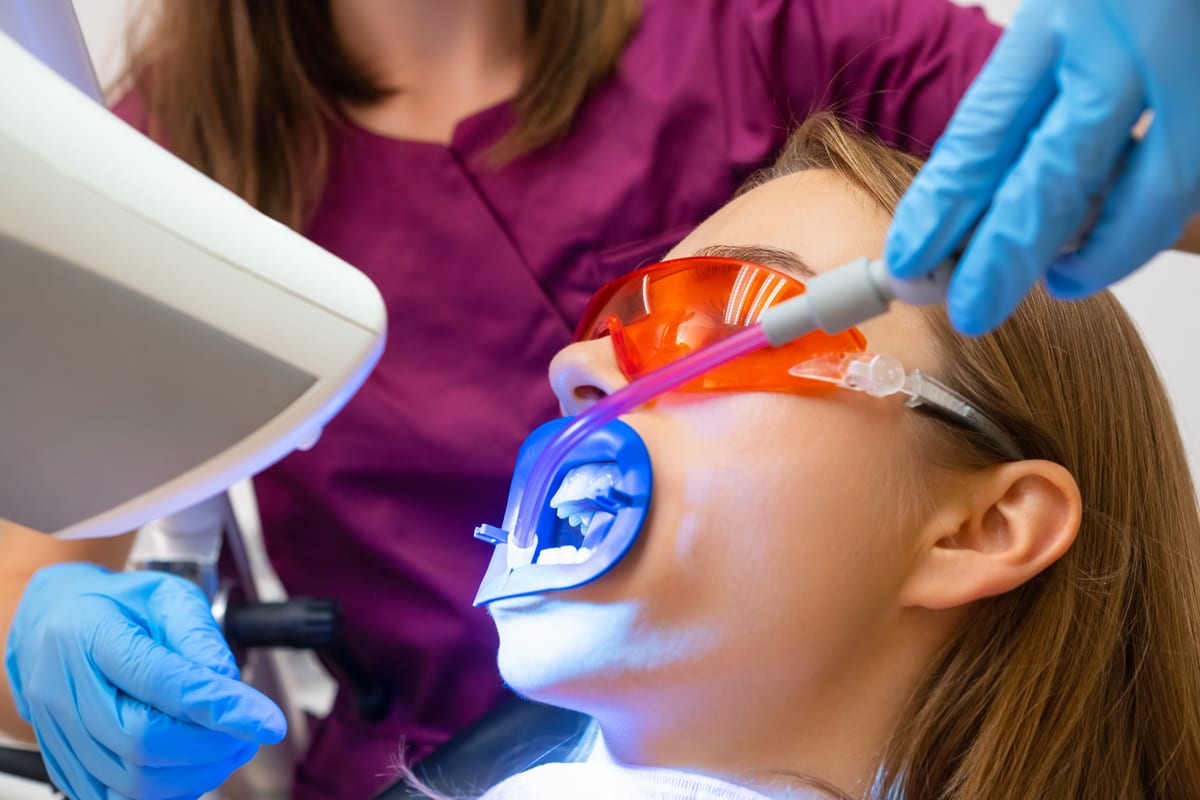
Professional in-office whitening delivers faster, more noticeable results. It also comes with the benefit of a pre-treatment exam. That exam helps confirm you are actually a good candidate before spending money on treatment.
Key differences between professional and over-the-counter whitening include:
- Professional treatments use higher-concentration peroxide gels
- In-office results often appear in a single appointment
- Take-home professional trays are custom-fitted to your teeth
- Store-bought strips can cause uneven whitening on irregular tooth shapes
- A dentist monitors your gum health and enamel throughout the process
Sensitivity is another important factor. Whitening can temporarily increase tooth sensitivity. Professional supervision helps manage this side effect appropriately. Dr. Ifaz can recommend desensitizing protocols when needed.
Making the Right Decision for Your Smile in Timber Pines
Self-screening is a smart first step. But a professional evaluation takes the guesswork out entirely. Dr. Mohiuddin Ifaz at Northcliffe Dental provides thorough smile assessments for patients throughout the Spring Hill and Timber Pines area.
During your visit, Dr. Ifaz will examine your enamel, review your stain type, and check for any restorations. He will then recommend the most effective path forward. That might be professional whitening, veneers, or simply a professional cleaning to start.
You deserve to know exactly what results are realistic for your specific situation. Making an informed decision leads to much greater satisfaction with the outcome. Book Now to schedule your appointment with our team.
Frequently Asked Questions
Will teeth whitening work on bonded teeth or dental veneers?
No. Whitening gel only affects natural tooth enamel. Bonding material, veneers, and crowns do not respond to bleaching agents. If you have restorations on your front teeth, whitening may create uneven coloring between your natural teeth and restorations. A cosmetic consultation can help you find a better-matched solution.
Can teeth whitening remove stains caused by tetracycline antibiotics?
Tetracycline staining is one of the most difficult types to treat. Standard whitening treatments typically produce very limited improvement on this type of staining. Extended professional whitening protocols may help in mild cases. For moderate to severe tetracycline staining, veneers or crowns usually deliver the most reliable cosmetic improvement.
How do I know if my stains are extrinsic or intrinsic?
A dentist can identify your stain type during a visual examination. Extrinsic stains tend to sit on the surface and may appear yellow or light brown. Intrinsic stains are often gray, dark brown, or banded in appearance. Dr. Ifaz can assess your specific situation and recommend the most effective treatment option.
Is professional teeth whitening safe for sensitive teeth?
Professional whitening can be performed safely on teeth with mild sensitivity. Your dentist will evaluate your enamel condition before starting treatment. Desensitizing gels and lower-concentration formulas can reduce discomfort. Always disclose any existing sensitivity to Dr. Ifaz so he can adjust your treatment plan accordingly.
How long do professional whitening results last in Timber Pines?
Results typically last between one and three years depending on your habits. Regularly consuming coffee, tea, red wine, or tobacco accelerates restaining. Maintaining good oral hygiene and periodic touch-up treatments helps prolong your results. Your dentist can recommend a maintenance schedule based on your lifestyle and stain history.