



Is Invisalign Right for You? What It Can and Cannot Fix
If you’ve been wondering whether Invisalign is right for you, you’re not alone. Many patients in Spring Hill ask Dr. Mohiuddin Ifaz the same question every week. Invisalign has transformed orthodontic care, but it isn’t a perfect fit for every smile. Understanding what it can and cannot fix in Spring Hill helps you make a confident, informed decision about your oral health.
What Invisalign Can Fix: Common Conditions It Treats
Invisalign uses a series of clear, removable aligners to gradually shift your teeth. It works best for mild to moderate alignment problems. Many adults and teens in Spring Hill find it life-changing because the trays are nearly invisible.
Here are the most common issues Invisalign can effectively treat:
- Mild to moderate crowding — when teeth overlap due to limited jaw space
- Spacing gaps — small gaps between teeth that affect your smile and bite
- Mild overbite — where upper front teeth overlap lower ones too far
- Mild underbite — where lower teeth sit in front of upper teeth slightly
- Crossbite — where some upper teeth sit inside lower teeth
- Open bite — where upper and lower teeth don’t meet when the mouth closes
These conditions respond well to aligner therapy. Dr. Ifaz evaluates each case individually before recommending Invisalign. A full exam and digital scans help determine if your bite qualifies.
What Invisalign Cannot Fix: When Traditional Braces Work Better
Invisalign is advanced, but it has real limitations. Some bite problems are simply too complex for clear aligners alone. In those cases, traditional braces provide more precise control over tooth and jaw movement.
Invisalign is generally not the best solution for:
- Severe crowding — when teeth are significantly rotated or badly overlapping
- Large overbites or underbites — that require jaw repositioning, not just tooth movement
- Skeletal misalignment — structural jaw issues that may need surgical intervention
- Teeth with significant rotation — certain tooth shapes are harder for aligners to grip
- Young children — whose jaws and teeth are still developing rapidly
Choosing the wrong treatment can slow progress and cost more in the long run. That’s why an honest candidacy evaluation matters so much. Dr. Ifaz will always recommend what’s genuinely best for your smile — not what’s simply most popular.
Is Invisalign Right for You? Key Factors Dr. Ifaz Considers in Spring Hill
Candidacy depends on more than just the type of misalignment. Your lifestyle, compliance, and oral health history all play a role. Invisalign only works when patients wear the aligners 20 to 22 hours per day consistently.
Patients who smoke heavily, grind their teeth severely, or have active gum disease may not be ideal candidates right away. Treating underlying conditions first is essential before starting any orthodontic work. Dr. Ifaz coordinates all aspects of your care at Northcliffe Dental – Spring Hill.
Age is another factor worth discussing. Invisalign works beautifully for adults and older teenagers with fully erupted teeth. For younger children, our team may suggest waiting or exploring other options — including a visit to our Pediatric Spring Hill dental services to monitor early development.
How Invisalign Fits Into Your Overall Smile Plan
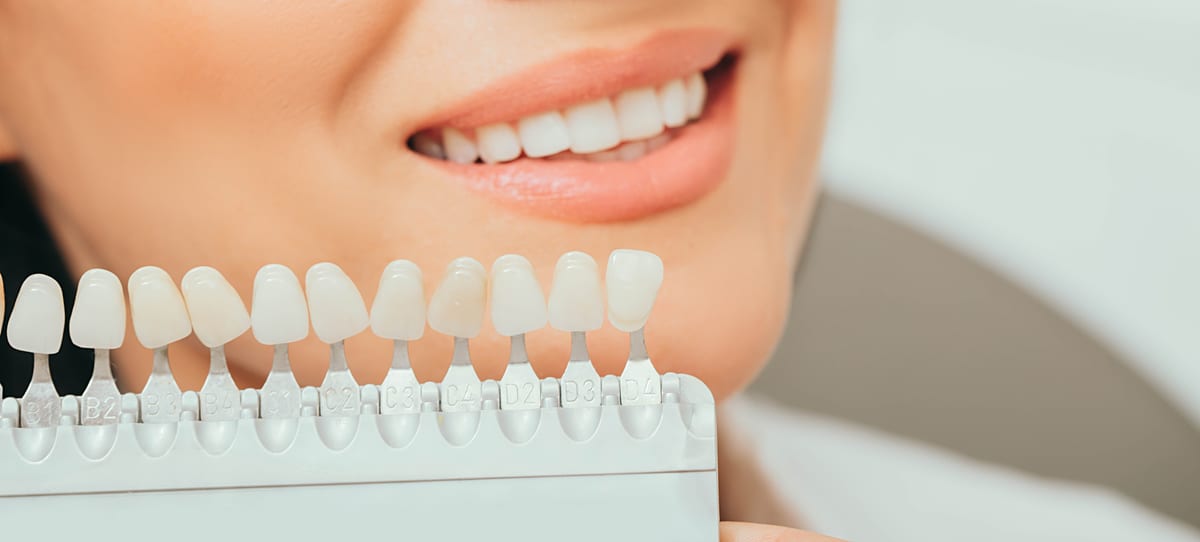
Invisalign is often just one part of a broader smile transformation. Many Spring Hill patients combine it with other treatments once alignment is complete. Teeth whitening, veneers, and bonding can all enhance results after orthodontic treatment ends.
If you’re interested in a complete smile makeover, our team offers comprehensive Cosmetic Dentistry Spring Hill services to complement your Invisalign results. Straightening your teeth makes every cosmetic treatment look more natural and last longer. A well-aligned smile is the strongest foundation for any cosmetic work.
Dr. Ifaz takes a whole-mouth approach to every patient’s care. Your alignment, gum health, and bite function all connect to your long-term dental wellness. Invisalign is a tool — and knowing when and how to use it correctly makes all the difference.
What to Expect During Your Invisalign Consultation at Northcliffe Dental
Your first step is a no-pressure consultation with Dr. Ifaz at our Spring Hill office. He will review your dental history, take digital X-rays, and perform a complete bite assessment. This gives the clearest picture of what’s happening with your teeth and jaw.
From there, Dr. Ifaz will explain your options honestly. If Invisalign is right for you, he’ll walk you through the full treatment timeline and what each phase involves. If traditional braces or another approach fits better, he’ll explain exactly why.
Most Invisalign treatments in Spring Hill take between 12 and 18 months. You’ll check in with Dr. Ifaz every 6 to 8 weeks to monitor progress. The process is straightforward when your case is the right fit from the start.
Frequently Asked Questions
Can Invisalign fix a severe overbite?
Invisalign can correct mild to moderate overbites effectively. Severe overbites that involve significant jaw misalignment may require traditional braces or even surgical support. Dr. Ifaz will assess your specific bite during your consultation to give you an accurate recommendation.
How long does Invisalign take to work in Spring Hill?
Most patients in Spring Hill complete Invisalign treatment within 12 to 18 months. Simpler cases with minor crowding or spacing may finish sooner. Complex cases can take longer, which is why an accurate diagnosis upfront sets realistic expectations.
Is Invisalign suitable for teenagers?
Yes, Invisalign offers a teen-specific version with compliance indicators and extra aligners. However, teens must be disciplined about wearing the trays consistently. Dr. Ifaz discusses this requirement openly with both patients and parents during the consultation.
What happens if I stop wearing my Invisalign aligners?
Teeth can shift back toward their original positions if you stop wearing aligners as directed. Invisalign requires 20 to 22 hours of daily wear to stay on track. Inconsistent use can extend treatment time or reduce the quality of your final results.
Do I need a retainer after Invisalign treatment?
Yes, retainers are essential after any orthodontic treatment, including Invisalign. They prevent teeth from drifting back over time. Dr. Ifaz will provide a custom retainer plan once your Invisalign treatment is complete to protect your results long-term.
If you’re ready to find out whether Invisalign is the right fit for your smile, our team at Northcliffe Dental – Spring Hill is here to guide you every step of the way. Book Now to schedule your appointment with our team.